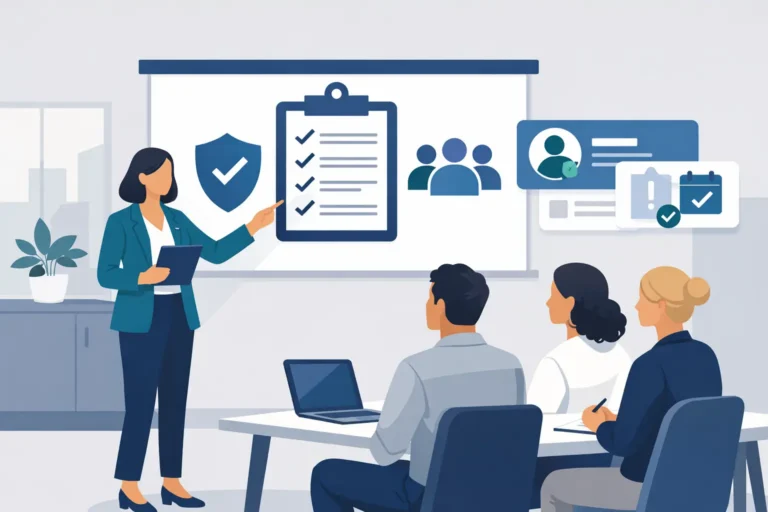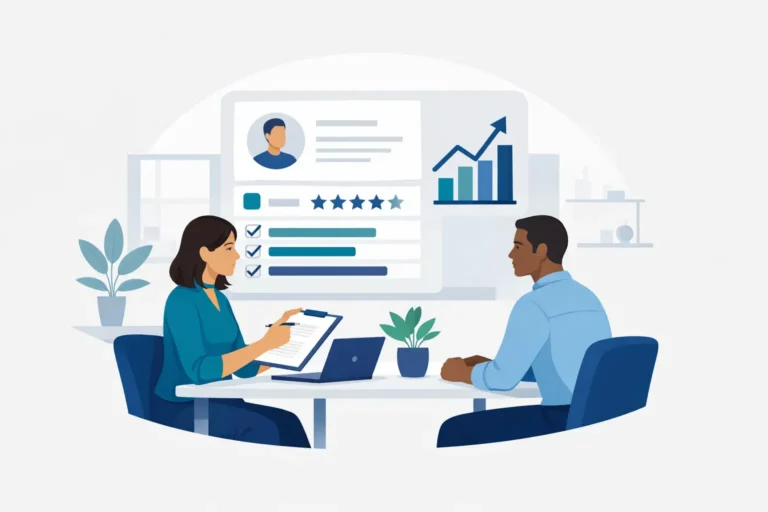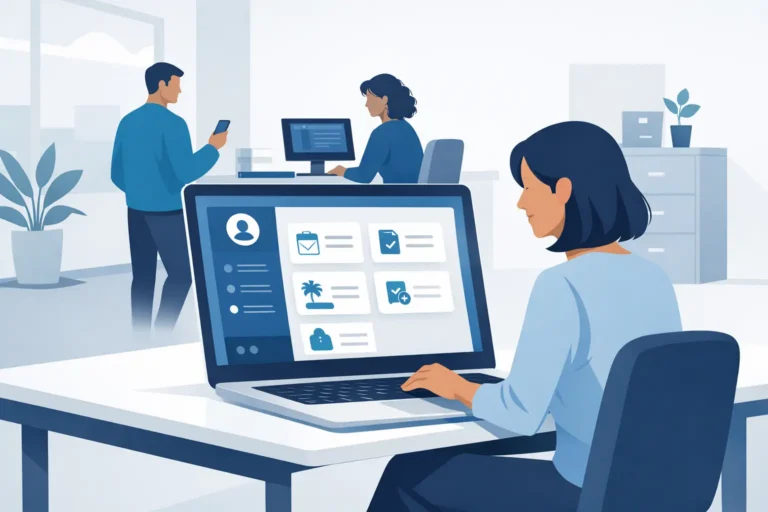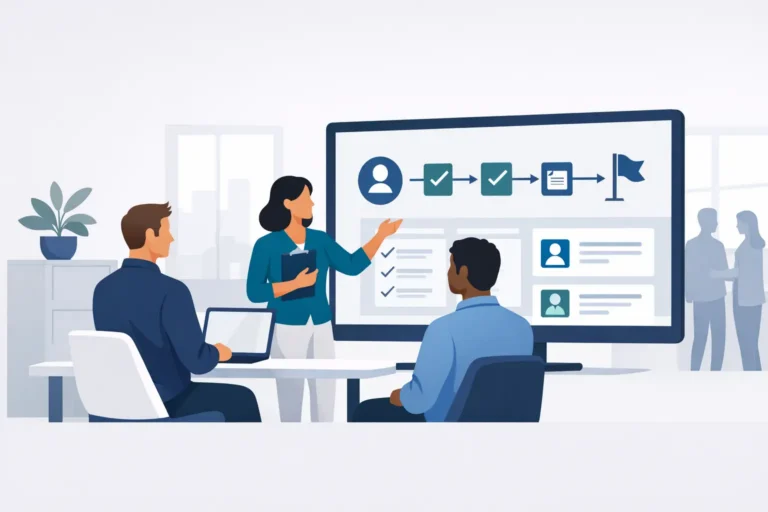
When one HR administrator is exporting absence data from one tool, chasing expense receipts in another and answering onboarding questions by email, the problem is rarely effort. It is the stack. A Workday alternative for mid-sized companies should reduce that operational drag without creating a new implementation project that overwhelms a lean HR team.
Workday is a capable enterprise platform. For large, complex organisations with specialist HRIS teams, extensive global requirements and the budget to support a long rollout, it can be a sensible choice. But organisations between 10 and 500 employees often need something different: broad HR coverage, straightforward administration, dependable compliance support and a system people will actually use.
Why mid-sized companies look beyond Workday
The question is not whether Workday has enough functionality. It is whether the functionality, configuration effort and operating model suit the business you have now.
At mid-sized companies, HR is commonly managed by a small team that also owns recruitment, employee relations, reporting and day-to-day manager support. Those teams do not have spare capacity to run a major systems programme or maintain a heavily configured platform after go-live. If simple policy changes require specialist support, the platform can become another bottleneck rather than a source of control.
Cost matters too, but it is not only the subscription fee. Consider implementation services, integrations, training, ongoing administration and the time managers spend navigating processes that feel designed for a much larger enterprise. A lower headline price is not automatically better, but neither is paying for complexity your organisation will not use.
There is also a European context. Businesses operating across Benelux, DACH or other European markets need to understand where employee data resides, how access is controlled and whether the platform can support local ways of working. GDPR is not a feature to add later. It should shape the technology decision from the start.
What a Workday alternative for mid-sized companies should provide
A good alternative does not try to replicate every enterprise module. It should cover the workflows that consume HR time and create risk when they are fragmented.
Start with the employee record. Your team should have one reliable source for employment details, documents, leave balances, time data, expenses, performance history and learning activity. When managers and employees can complete routine actions themselves, HR stops acting as the manual bridge between disconnected systems.
Recruitment and onboarding deserve particular attention. A new hire should not trigger a chain of spreadsheets, emails and separate account requests. The right system can carry candidate information into the employee record, guide onboarding tasks and give the new starter a clearer first experience. That saves time, but it also reduces the chance that contracts, equipment or policy acknowledgements are missed.
Time and attendance, leave and expenses are equally practical priorities. These are high-frequency processes, so small frustrations quickly add up. Look for clear approval flows, visible balances and reporting that does not require downloading data into a spreadsheet every month.
Performance and learning often sit outside the core HR system until the organisation grows. That separation can work temporarily, but it makes it harder to see development plans, review outcomes and training compliance in context. A single platform gives managers a more complete view of their teams without asking HR to compile it manually.
Choose fit over feature volume
During a vendor demonstration, it is easy to be impressed by a long module list. The more useful test is whether the platform handles your real processes with reasonable effort.
Ask a vendor to show a complete employee journey: opening a vacancy, moving a candidate through selection, issuing onboarding tasks, recording time off, approving an expense and completing a review. This reveals where data is re-entered, where workflows break and how much work falls back to HR.
Also test the manager experience. A manager who only uses the system to approve leave, complete reviews and check team information should not need extensive training. If everyday actions are unclear, adoption will be weak regardless of how capable the back office is.
Configuration is another area where balance matters. Every business has policies that need to be reflected in the system, especially across countries. Yet unlimited configurability can create a platform only a consultant can manage. For most growing organisations, sensible defaults with room for controlled adjustments are more valuable than an empty canvas.
Assess the total cost and effort
A comparison should include more than licence pricing. Build a simple three-year view that covers implementation, data migration, integrations, internal project time, training and support. Be realistic about who will own the system after launch.
Implementation length is not merely a procurement detail. A prolonged rollout delays benefits and asks a small HR team to maintain old and new processes at the same time. A shorter, structured deployment can be preferable to a highly bespoke project, provided the system supports the processes that genuinely matter.
Be cautious of treating every existing workflow as fixed. The move to a new HRIS is a useful moment to remove duplicate approvals, retire unused forms and clarify ownership. Migrating unnecessary complexity into a new platform is an expensive way to preserve it.
Treat data architecture as a buying criterion
For European employers, employee data deserves the same scrutiny as capability and cost. Ask where data is hosted, whether it remains in the EU and how environments are separated between customers. Request clarity on access controls, backups, retention and the practical process for exporting your information.
Single-tenant infrastructure is worth understanding. In a single-tenant PaaS model, each customer has a dedicated, isolated environment rather than sharing an application environment with other customers. It can provide stronger separation and more control, although the right choice still depends on your security requirements, budget and internal IT policies.
AI also requires direct questions. HR teams may benefit from help drafting content, answering policy questions or automating routine workflows. But an AI feature is only useful if you know which provider is involved, what data is processed and what controls are available. Organisations with specific data policies may need a provider choice or a self-hosted model, not a fixed approach.
A practical shortlist process
Keep the evaluation focused. A long requirements document can create the appearance of rigour while obscuring the few processes that determine success. Instead, agree the outcomes your new HRIS must deliver in the next two years.
For most mid-sized organisations, these are likely to include:
- one accurate employee record that HR, managers and employees can use confidently
- fewer separate tools for hiring, onboarding, leave, expenses and performance
- reporting that supports decisions without recurring spreadsheet work
- appropriate EU data residency and privacy controls
- a system that can grow with new locations, managers and employees
Score vendors against these outcomes, then involve the people who will use the system. HR should lead the process, but finance, IT, managers and a small employee group can identify practical issues early. Ask each vendor the same scenario-based questions and document the answers, rather than relying on assurances that a requirement is “supported”.
Finally, check the implementation plan. Who migrates data? What information must your team clean before launch? Which integrations are essential on day one and which can wait? A credible partner will be clear about the work involved, including the decisions only your organisation can make.
When a focused HRIS is the better choice
A focused all-in-one HRIS is often the right fit when your main objective is consolidation. You need recruiting, onboarding, time, leave, expenses, reviews, compliance and learning to work together, but you do not need an enterprise platform built around extensive global complexity.
Cognitis.cloud, for example, is designed for European SMEs that want this breadth in one system while retaining control of their data through a dedicated EU-based environment. The value is not simply having more modules. It is reducing the handovers, duplicate records and reporting gaps that make a small HR team feel permanently behind.
That said, a focused platform is not the answer in every case. If you have highly complex multi-country payroll needs, a large internal HRIS function or requirements for deep enterprise planning and finance processes, Workday may remain a better fit. The best decision follows the operating reality of your business, not the prestige of a vendor name.
A good HR platform should give your team more time for people decisions and less time repairing process gaps. Choose the system that makes everyday work clearer now, while leaving room for the company you are becoming.