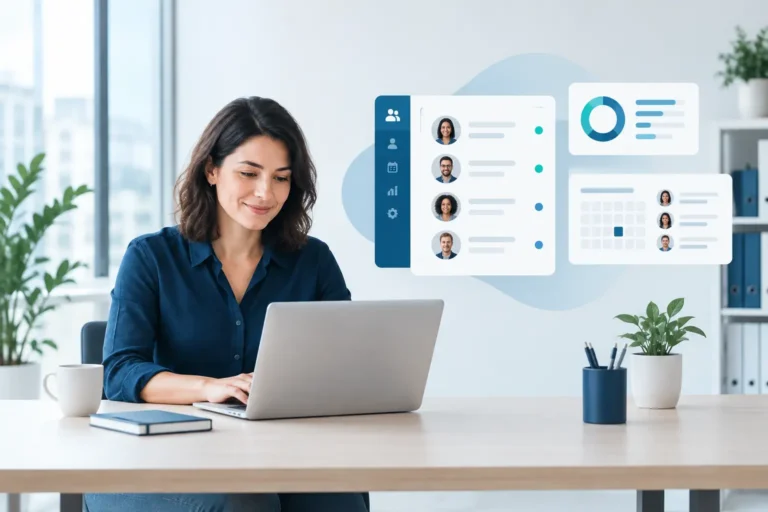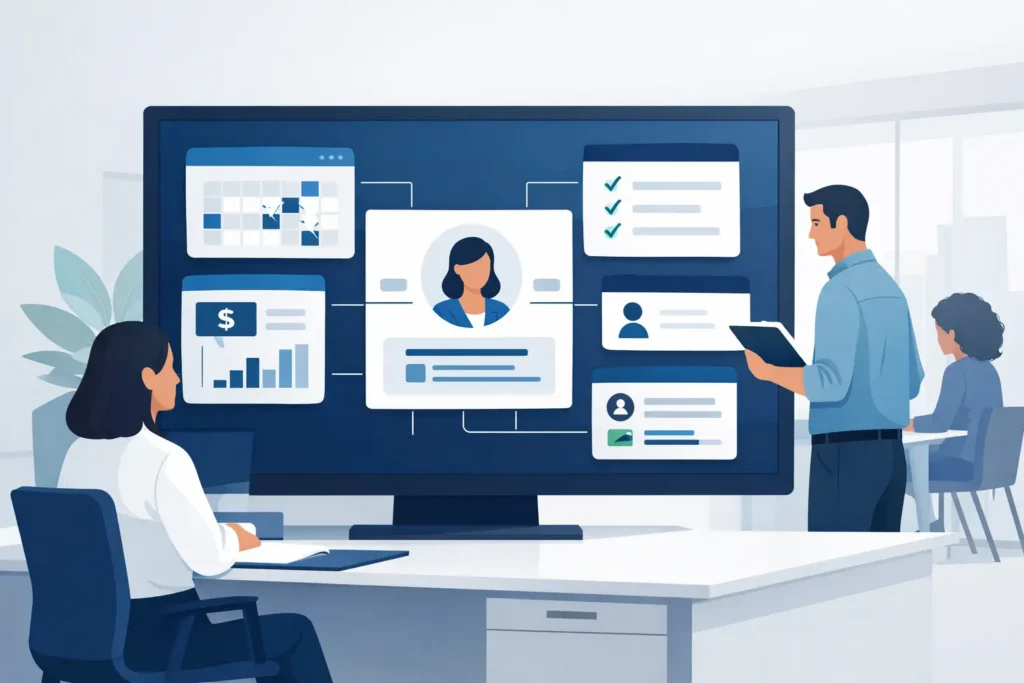
Wenn Ihr HR-Team immer noch in einem Tool einstellt, die Arbeitszeit in einem anderen verfolgt, Urlaubsanträge per E-Mail genehmigt und Berichte aus drei Tabellenkalkulationen zieht, liegt das Problem nicht am Aufwand. Es liegt an der Fragmentierung. Eine All-in-One-HRIS-Lösung soll diesen Engpass beseitigen, aber viele Systeme verlagern ihn nur in eine ansprechendere Benutzeroberfläche.
Für kleine und mittelständische Unternehmen ist dieser Unterschied wichtig. Wenn ein bis drei Personen sich um Rekrutierung, Einarbeitung, Gehaltsabrechnung, Mitarbeiterfragen, Richtlinienaktualisierungen und Compliance-Aufgaben kümmern, birgt jede zusätzliche Übergabe Risiken. Daten werden neu eingegeben, Fristen versäumt und Manager vertrauen dem Prozess nicht mehr, weil er inkonsequent erscheint.
Was ein All-in-One-HRIS tatsächlich bedeutet
Der Begriff wird locker verwendet. Manche Anbieter bezeichnen sich als All-in-One, weil sie eine zentrale HR-Datenbank plus einige Zusatzmodule anbieten. Andere bündeln erworbene Produkte, die im Hintergrund immer noch wie getrennte Systeme agieren. Aus Käufersicht ist die bessere Frage einfach: Ermöglicht die Plattform Ihrem Team, die tägliche HR-Arbeit von einem Ort aus zu erledigen, ohne den Prozess außerhalb des Systems neu aufzubauen?
Ein echtes All-in-One-HRIS sollte den gesamten Mitarbeiterlebenszyklus abdecken. Recruiting sollte zur Einarbeitung führen. Einarbeitung sollte zu Mitarbeiterakten führen. Urlaubsanträge, Anwesenheit, Spesen, Leistung und Weiterbildung sollten alle aus derselben Quelle aktualisiert werden. Manager sollten keine separaten Anmeldungen benötigen, um Routineaufgaben zu erledigen, und die Personalabteilung sollte nicht jeden Monat widersprüchliche Aufzeichnungen abgleichen müssen.
Das bedeutet nicht, dass jedes Unternehmen jeden Modul vom ersten Tag an benötigt. Das bedeutet, dass die Plattform Wachstum unterstützen sollte, ohne dass Sie sechs Monate später zu einem Flickenteppich-Stack zurückkehren müssen.
Warum wachsende Teams die Grenzen von einzelnen HR-Tools sprengen
Im frühen Stadium können separate Tools sinnvoll erscheinen. Ein Startup fügt ein Bewerberverwaltungssystem hinzu, weil die Einstellung zunimmt. Dann fügt es Zeiterfassung für Stundenlöhner, ein Urlaubsverwaltungstool für Genehmigungen durch Vorgesetzte und eine Leistungsanwendung hinzu, weil die Bewertungszyklen schmerzhaft geworden sind. Jede Entscheidung ist für sich genommen logisch.
Die Probleme treten später auf. Mitarbeiterdaten leben an mehreren Orten, sodass einfache Änderungen wie eine Titeländerung oder ein Managerwechsel manuell wiederholt werden müssen. Berichterstattung wird zu einer monatlichen Aufräumübung. Compliance-Aufgaben hängen davon ab, sich zu erinnern, welches System die neueste Version einer Richtlinienbestätigung, eines Vertrags oder eines Anwesenheitsnachweises enthält. Selbst kleine Änderungen erfordern eine Koordination zwischen den Anbietern.
Hier zeigt sich der Wert einer All-in-One-HRIS-Lösung. Nicht weil eine Konsolidierung auf einer Folie ordentlich aussieht, sondern weil sie die operative Reibung bei der Arbeit Ihres Teams jede Woche reduziert.
Die Probleme, die eine All-in-One-HRIS-Lösung lösen sollte
Das erste Problem ist doppelte Arbeit. Wenn ein neuer Mitarbeiter während des Recruitings erfasst, dann für das Onboarding erneut erfasst, dann für die Zeiterfassung und Spesenabrechnung wieder aktualisiert wird, kostet Ihr Prozess bereits mehr als der Posten "Abonnement" vermuten lässt. Gute Systeme eliminieren diese Wiederholung.
Das zweite Problem ist die schlechte Sichtbarkeit. HR-Führungskräfte benötigen schnell grundlegende Antworten: Wer hat noch fehlende Onboarding-Aufgaben, welche Teams haben hohe Abwesenheitsraten, wo schleifen Überprüfungszyklen, und stimmen die Personaldaten mit der Realität überein. Wenn Informationen über verschiedene Tools verteilt sind, wird die Berichterstattung langsam und fragwürdig.
Das dritte Problem ist inkonsistente Managererfahrung. Manager sollten keine Schulung für fünf verschiedene Arbeitsabläufe benötigen, nur um Urlaub zu genehmigen, Feedback einzureichen, die Anwesenheit des Teams zu überprüfen und Ausgaben abzurechnen. Wenn sich der Prozess für sie fragmentiert anfühlt, sinkt die Akzeptanz.
Das vierte Problem ist die Compliance-Exposition. Dies ist besonders relevant für Unternehmen, die in europäischen Märkten tätig sind, wo Dokumentation, Datenverarbeitung und Mitarbeiterprozesse mehr Disziplin erfordern, als viele kleine Teams mit manuellen Systemen realistischerweise aufrechterhalten können. Eine Plattform sollte konformes Verhalten erleichtern und nicht auf heroische Nachfassaktionen von der Personalabteilung angewiesen sein.
Worauf Sie bei einem All-in-One-HRIS achten sollten
Beginnen Sie mit dem Prozessablauf, nicht mit dem Funktionsumfang. Eine lange Funktionsliste ist leicht zu erstellen. Entscheidend ist, ob das System die Art und Weise unterstützt, wie Arbeit in Ihrem Unternehmen abläuft.
Recruiting und Onboarding sollten miteinander verbunden sein. Sobald ein Kandidat eingestellt ist, sollte das System wichtige Informationen automatisch übernehmen, Dokumentenworkflows auslösen und Aufgaben zuweisen Onboarding-Aufgaben, und geben den Managern einen klaren Überblick darüber, was vor dem ersten Tag geschehen muss.
Kern-HR-Aufzeichnungen sollten im Zentrum stehen. Das klingt offensichtlich, aber viele Unternehmen enden mit einem zentralen Aufzeichnungssystem, das technisch zentral, aber betrieblich ignoriert wird. Die beste Konfiguration ist eine, bei der Mitarbeiterdaten einmal aktualisiert werden und überall dort fließen, wo sie hingehören.
Zeiterfassung, Urlaubsverwaltung und Spesenabrechnung sollten keine isolierten Verwaltungsfunktionen sein. Sie beeinflussen Planung, Genehmigungen und das Vertrauen der Mitarbeiter. Wenn ein Mitarbeiter die Personalabteilung fragen muss, ob ein Urlaubsantrag genehmigt wurde, weil die Statusaktualisierungen unklar sind, leistet die Software nicht genug.
Leistung und Lernen sollten auch mit Mitarbeiterakten und Manager-Workflows verknüpft werden. Nicht jedes Unternehmen benötigt sofort fortschrittliche Talentfunktionen, aber die meisten benötigen eine praktische Möglichkeit, Beurteilungen durchzuführen, Ziele zu dokumentieren und die Entwicklung zu unterstützen, ohne ein weiteres eigenständiges Produkt einführen zu müssen.
Wo viele All-in-One-HRIS-Plattformen versagen
Manche Systeme sind zu umfangreich für mittelständische Unternehmen. Sie wurden mit Blick auf die Komplexität von Großunternehmen konzipiert, und diese Komplexität zeigt sich in Implementierungszeit, Verwaltungsaufwand und Kosten. Ein kleineres HR-Team kauft möglicherweise Funktionen, die es realistischerweise nie nutzen wird.
Andere sind zu oberflächlich. Sie behaupten, den gesamten HR-Lebenszyklus abzudecken, aber wenn man über grundlegende Mitarbeiterdaten hinausgeht, sind die Workflows dünn. Das führt Käufer oft zurück zu Zusatztools, was den Sinn der Konsolidierung zunichte macht.
Dann gibt es das Datenmodell-Problem. Wenn ein Anbieter mehrere übernommene Produkte zusammengefügt hat, kann die Benutzererfahrung an der Oberfläche einheitlich erscheinen, während die zugrunde liegenden Daten fragmentiert bleiben. Dies spürt man, wenn Berichte nicht übereinstimmen, Berechtigungen umständlich werden oder die Automatisierung an Modulgrenzen stoppt.
Hier spielt auch die Infrastruktur eine größere Rolle, als viele Käufer erwarten. Für Unternehmen, denen Kontrolle, Datenschutz und Datensouveränität, speziell in Europa ist Architektur keine technische Fußnote. Sie beeinflusst Risiko, Flexibilität und Vertrauen langfristig.
KI in einem All-in-One-HRIS: Nützlich, wenn sie Arbeit abnimmt
KI ist zu einem Standardbestandteil der Nachrichtenübermittlung von HR-Software geworden, aber die praktische Frage ist enger gefasst: Spart sie Ihrem Team Zeit, ohne neuen Überprüfungsaufwand zu erzeugen?
Nützliche KI in einem All-in-One-HRIS kann dabei helfen, Stellenbeschreibungen zu entwerfen, Richtlinieninhalte zu generieren, Routine-HR-Fragen zu beantworten und Wiederkehrende Arbeitsabläufe automatisieren. Das ist wertvoll, denn kleine HR-Teams verlieren jede Woche Stunden mit dem Schreiben, Klären und Nachverfolgen von Aufgaben, die demselben Muster folgen.
Aber KI ist nicht automatisch hilfreich. Wenn die Ausgaben generisch sind, die Berechtigungen unklar sind oder Ihr Unternehmen strenge Anforderungen an Anbieter und den Umgang mit Daten hat, kann KI eher Zögern als Effizienz hervorrufen. Käufer sollten fragen, wie flexibel die Einrichtung ist, welche Daten verwendet werden und ob das System das Maß an Kontrolle unterstützt, das ihr Unternehmen benötigt.
Wie man feststellt, ob jemand für Ihr Unternehmen geeignet ist
Die richtige Plattform ist nicht diejenige mit den meisten Modulen. Es ist diejenige, die Ihrer aktuellen Komplexität entspricht und Ihnen gleichzeitig Raum zum Wachsen bietet.
Wenn Sie 20 Mitarbeiter und einen HR-Generalisten haben, ist Einfachheit wichtiger als tiefgreifende Anpassung. Wenn Sie 250 Mitarbeiter in mehreren Ländern haben, werden Workflow-Konsistenz, Berechtigungen und Berichterstattung wichtiger. Wenn Ihr Unternehmen durch Übernahmen wächst oder mehrere Rechtseinheiten verwaltet, verdienen Datenstruktur und Compliance-Kontrollen eine viel genauere Prüfung.
Deshalb sollten Käufergespräche auch auf der operativen Realität basieren. Bitten Sie Anbieter zu zeigen, wie ein Mitarbeiter vom Kandidaten zum aktiven Angestellten wird. Fragen Sie, wie sich Änderungen von Vorgesetzten auf Genehmigungen auswirken. Fragen Sie, wie Urlaub, Anwesenheit und Ausgaben mit der Berichterstattung zusammenhängen. Fragen Sie, was passiert, wenn Richtliniendokumente Versionierung und Bestätigungsverfolgung benötigen. Diese Szenarien offenbaren mehr als jede polierte Demo.
Für europäische KMUs argumentieren Plattformen wie Cognitis.cloud hier klar: ein Login, eine Plattform und eine dedizierte Umgebung, die Daten isoliert und unter Ihrer Kontrolle hält. Dieses Modell wird nicht für jeden Käufer gleichermaßen relevant sein, aber für Teams, die Wachstum und Compliance-Anforderungen in Einklang bringen müssen, ist es ein bedeutender Unterschied.
Der reale Business Case für ein All-in-One-HRIS
Der stärkste Fall ist selten nur eine Softwarekonsolidierung. Es ist eine sauberere Durchführung.
Wenn die Personalabteilung von einem System aus arbeitet, beginnt das Onboarding schneller, Manager-Genehmigungen erfolgen mit weniger Nachhaken, Mitarbeiterakten bleiben genauer und die Berichterstattung wird glaubwürdig genug, um Entscheidungen zu unterstützen. Die Einsparungen zeigen sich in Stunden, ja, aber auch in weniger Fehlern, weniger Workarounds und geringerer Abhängigkeit vom individuellen Gedächtnis.
Deshalb ist die beste Kaufentscheidung nicht: “Erfüllt diese Plattform alle Anforderungen?” Sondern: “Wird uns diese Plattform nächsten Monat die Arbeit im Personalwesen erleichtern und im nächsten Jahr die Skalierung ermöglichen?”
Wenn die Antwort ja ist, kaufen Sie nicht nur ein All-in-One-HRIS. Sie kaufen sich den Fokus für ein Team zurück, das wahrscheinlich nur sehr wenig davon entbehren kann.
Das richtige System sollte HR weniger wie ständige Koordination und mehr wie kontrollierte Ausführung erscheinen lassen, genau das, was wachsende Teams brauchen, wenn das Geschäft nicht für Verwaltungsaufgaben verlangsamt wird.