Eine neue HRIS kann Stunden an Tabellenkalkulationsarbeit ersparen, aber sie wird auch zum Ort, an dem einige Ihrer sensibelsten Mitarbeiterdaten gespeichert werden. Dieser DSGVO-konforme HRIS-Leitfaden richtet sich an HR-Führungskräfte, die eine praktische Möglichkeit zur Bewertung von Systemen benötigen, ohne die Softwareauswahl zu einem juristischen Rechercheprojekt zu machen.
Für ein wachsendes Unternehmen ist die eigentliche Frage nicht, ob ein Lieferant sagt, er sei ‘DSGVO-konform’. Das werden fast alle Lieferanten sagen. Die Frage ist, ob sein Produkt, seine Verträge, sein Hosting-Modell und seine täglichen Abläufe Ihrer Organisation die Kontrolle geben, die zur verantwortungsvollen Verarbeitung von Mitarbeiterdaten erforderlich ist.
Was DSGVO-Konformität für ein HRIS bedeutet
Ein HRIS verarbeitet weit mehr als nur Namen, Positionen und Urlaubsansprüche. Es kann Adressen, Bankdaten, Arbeitserlaubnisdokumente, Leistungsaufzeichnungen, Abwesenheitsgründe, Disziplinarvermerke, Gehaltsabrechnungsinformationen und Rekrutierungsdaten enthalten. Einige dieser Daten können besondere Kategorien von Daten sein, wie Gesundheitsinformationen oder Gewerkschaftsmitgliedschaften, die besondere Sorgfalt erfordern.
Die DSGVO genehmigt oder zertifiziert Softwareprodukte nicht einfach, weil sie als konform bezeichnet werden. Die Konformität hängt davon ab, wie Ihre Organisation das System nutzt und wie der Anbieter diese Nutzung unterstützt. Ihr Unternehmen bleibt dafür verantwortlich zu entscheiden, warum und wie Mitarbeiterdaten verarbeitet werden. In den meisten Fällen agiert der HRIS-Anbieter auf Ihre Anweisung hin als Auftragsverarbeiter.
Diese Unterscheidung ist wichtig. Eine leistungsfähige Plattform kann Sicherheitskontrollen, Zugriffsrechte, Aufbewahrungseinstellungen und Audit-Protokolle bereitstellen. Sie kann keine Rechtsgrundlage festlegen, keine Aufbewahrungsrichtlinie aufstellen oder verhindern, dass ein HR-Administrator einen Bericht an die falsche Person weitergibt.
Für KMU ist das Ziel eine verhältnismäßige Kontrolle. Sie benötigen ein System, das gute Praktiken einfacher als schlechte Praktiken macht, ohne eine administrative Belastung zu schaffen, die Ihr HR-Team realistischerweise nicht aufrechterhalten kann.
Beginnen Sie mit Ihrer Datenübersicht, nicht mit der Feature-Liste
Es ist verlockend, zuerst Rekrutierungsmodule, Urlaubs-Workflows und KI-Funktionen zu vergleichen. Beginnen Sie stattdessen mit den Daten, die in die Plattform gelangen, wer Zugriff benötigt und wohin die Informationen als Nächstes gehen.
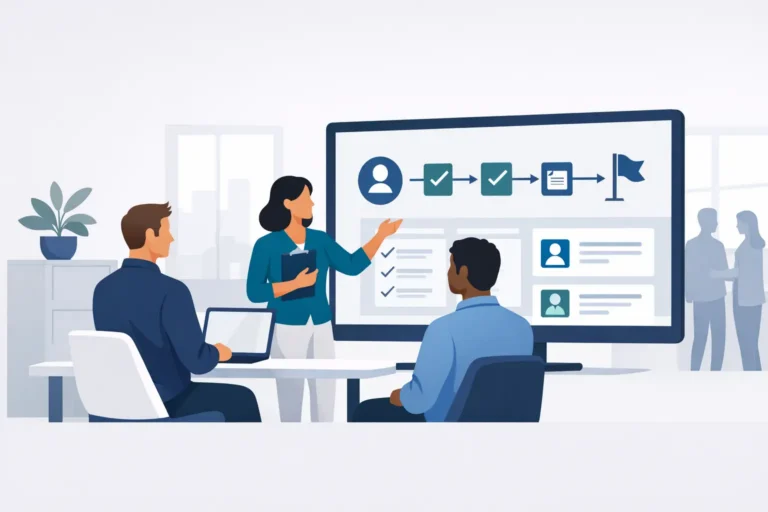
Bilden Sie den Mitarbeiterlebenszyklus vom Kandidaten bis zum Ausscheidenden ab. Berücksichtigen Sie Lebensläufe und Gesprächsnotizen während der Rekrutierung, Identitäts- und Vertragsdokumente während der Einarbeitung, Arbeitszeit- und Urlaubsdaten während der Beschäftigung sowie die nach dem Ausscheiden eines Mitarbeiters erforderlichen Unterlagen. Berücksichtigen Sie Integrationen mit Gehaltsabrechnungssystemen, Identitätsanbietern, Spesenverwaltungstools und Lernplattformen. Ein gut konzipiertes HRIS kann diese Arbeitsabläufe konsolidieren, aber jede Integration schafft einen weiteren Datenfluss, der bewertet werden muss.
Diese Übung legt oft unnötige Sammlungen offen. Wenn ein Manager beispielsweise nur einen Urlaubsantrag genehmigen muss, benötigt er keine Einsicht in medizinische Nachweise, die mit einer Abwesenheit verbunden sind. Wenn die Finanzabteilung eine Ausgabensumme benötigt, benötigt sie möglicherweise keinen uneingeschränkten Zugriff auf ein vollständiges Mitarbeiterprofil.
Datenminimierung bedeutet nicht, dass die Personalabteilung mit unvollständigen Unterlagen arbeiten muss. Es bedeutet, nur das zu sammeln und preiszugeben, was für einen definierten Zweck wirklich notwendig ist. Dies verbessert den Datenschutz und erleichtert die Verwaltung von Berechtigungen.
Seien Sie klar über die Rechtsgrundlage
Beschäftigungsdaten werden selten auf der Grundlage einer Einwilligung verarbeitet. Eine Einwilligung kann schwierig zu berücksichtigen sein, wenn ein Machtungleichgewicht zwischen Arbeitgeber und Arbeitnehmer besteht. Häufiger ist eine Verarbeitung zur Erfüllung eines Arbeitsvertrags, zur Erfüllung einer rechtlichen Verpflichtung oder zur Verfolgung berechtigter Interessen erforderlich.
Ihr HRIS sollte Sie bei der Dokumentation von Prozessen unterstützen, ersetzt aber nicht Ihre Datenschutzerklärungen, Verarbeitungsverzeichnisse oder internen Richtlinien. Wenn besondere Kategorien personenbezogener Daten betroffen sind, stellen Sie die geltende zusätzliche Bedingung sicher und ziehen Sie bei Bedarf Ihre Datenschutzbeauftragte oder Rechtsberater hinzu.
Bewerten Sie das Betriebsmodell des Lieferanten
Ein DSGVO-konformes HRIS hängt ebenso vom Betriebsmodell des Anbieters ab wie von dessen Benutzeroberfläche. Stellen Sie präzise Fragen und erwarten Sie präzise Antworten. Vage Zusicherungen wie ‘Enterprise-Grade-Sicherheit’ reichen nicht aus, wenn das System die Personalakten Ihres Unternehmens beherbergen wird.
Stellen Sie zunächst fest, wo Daten gehostet und verarbeitet werden. EU-Datenresidenz kann das Risikomanagement für europäische Arbeitgeber vereinfachen, insbesondere wenn Teams eine klarere Kontrolle über internationale Datentransfers wünschen. Es beseitigt nicht jede Compliance-Verpflichtung, reduziert aber die Komplexität beim Verständnis, wohin personenbezogene Daten fließen.
Überprüfen Sie als Nächstes die Datenverarbeitungsvereinbarung. Sie sollte den Gegenstand und die Dauer der Verarbeitung, die Kategorien von betroffenen Personen und personenbezogenen Daten, die Verarbeitungsanweisungen, Vertraulichkeitsverpflichtungen, Sicherheitsmaßnahmen, Regeln für Unterauftragsverarbeiter, Unterstützung bei den Rechten der betroffenen Personen und Regelungen am Vertragsende festlegen.
Sie sollten auch fragen, wie der Anbieter mit Subunternehmern umgeht. Ein Lieferant kann spezialisierte Dienste für Hosting, E-Mail-Zustellung, Support oder KI nutzen. Wichtig sind Transparenz, eine aktuelle Liste der Subunternehmer und ein Prozess zur Benachrichtigung der Kunden über wesentliche Änderungen, wo dies erforderlich ist.
Für Organisationen, die in Benelux, DACH und anderen europäischen Märkten tätig sind, können lokale Beschäftigungsanforderungen zusätzliche Komplexität mit sich bringen. Die DSGVO ersetzt keine länderspezifischen Regeln für Personalakten, Arbeitszeit oder Aufbewahrung. Wählen Sie einen Anbieter, der den Unterschied versteht und erklären kann, was Plattformkapazität und was Rechtsberatung ist.
Stellen Sie Zugangskontrollen in den Mittelpunkt Ihres Leitfadens zur DSGVO-konformen HRIS
Die meisten HR-Datenvorfälle werden nicht durch einen dramatischen externen Verstoß verursacht. Sie entstehen durch übermäßigen Zugriff, fehlgeleitete Exporte, gemeinsame Konten oder durch die Beibehaltung von Berechtigungen durch einen Mitarbeiter nach einem Rollenwechsel. Ihr HRIS sollte die Zugriffskontrolle zu einer routinemäßigen Verwaltungsaufgabe machen, nicht zu einem technischen Projekt.
Suchen Sie nach rollenbasierten Berechtigungen, die reale Verantwortlichkeiten widerspiegeln. HR-Administratoren benötigen möglicherweise weitreichenden Zugriff, während Linienmanager nur Informationen über ihre eigenen Teams sehen sollten. Die Finanzabteilung benötigt möglicherweise genehmigte Spesenabrechnungsdaten, aber keine Leistungsnotizen. Mitarbeiter sollten in der Lage sein, die für sie relevanten Informationen einzusehen und zu aktualisieren, ohne Zugriff auf die Aufzeichnungen von Kollegen zu erhalten.
Audit-Protokolle sind gleichermaßen nützlich. Sie helfen bei der Beantwortung praktischer Fragen: wer hat eine Bankkontonummer geändert, wer hat einen Bericht exportiert und wann wurde ein Datensatz gelöscht? Protokolle verhindern nicht jeden Fehler, aber sie schaffen Verantwortlichkeit und machen Untersuchungen weniger abhängig vom Gedächtnis.
Zugriffsprüfung zu definierten Zeitpunkten: wenn jemand beitritt, die Rolle wechselt, die Abteilung wechselt oder austritt. Die besten HRIS-Workflows verbinden diese Ereignisse mit Genehmigungen und Zugriffsänderungen. Das reduziert das Risiko, dass ehemalige Manager weiterhin Einblick in alte Teams haben oder Mitarbeiterkonten länger als nötig bestehen bleiben.
Aufbewahrung und Löschung benötigen eine praktikable Richtlinie
Alles für immer aufzubewahren ist keine sichere Standardeinstellung. Die DSGVO schreibt vor, personenbezogene Daten nicht länger als unbedingt erforderlich aufzubewahren, während Arbeitsrecht, Steuergesetze und potenzielle Streitigkeiten die Aufbewahrung von Unterlagen für bestimmte Zeiträume vorschreiben können.
Legen Sie Aufbewahrungsfristen nach Aufzeichnungstyp fest, nicht nach einer einzelnen Pauschalregel. Daten von erfolglosen Bewerbern haben möglicherweise eine kürzere Aufbewahrungsfrist als Gehaltsabrechnungen. Dokumente, die mit einem arbeitsplatzbezogenen Anspruch verknüpft sind, müssen möglicherweise über normale Löschungsregeln hinaus aufbewahrt werden. Die richtige Richtlinie hängt von Ihren Gerichtsbarkeiten und rechtlichen Verpflichtungen ab.
Ihr HRIS sollte strukturierte Prozesse für Aufbewahrung, Löschung und Export unterstützen. Prüfen Sie, was passiert, wenn ein Mitarbeiter ausscheidet, ein Kandidat zurücktritt und Ihr Vertrag mit dem Anbieter endet. Können Sie Daten in einem nutzbaren Format abrufen? Ist die Löschung verifiziert? Unterliegen Backups einem definierten Löschzyklus? Diese operativen Details sind wichtiger als ein allgemeines Versprechen, dass Daten entfernt werden können.
KI-Funktionen als separate Bewertung behandeln
KI kann HR-Teams bei der Erstellung von Stellenbeschreibungen helfen, Fragen zu Richtlinien beantworten und Routineaufgaben automatisieren. Sie kann auch neue Fragen zu Transparenz, Datennutzung und automatisierten Entscheidungsprozessen aufwerfen.
Bevor KI aktiviert wird, muss geklärt werden, welche Daten an das Modell gesendet werden, wo sie verarbeitet werden und ob sie zum Training der Modelle des Anbieters verwendet werden. Berücksichtigen Sie, ob Prompts Gesundheitsdaten von Mitarbeitern, Leistungsbedenken oder vertrauliche Geschäftsinformationen enthalten könnten. Eine nützliche Regel ist es, keine sensiblen Mitarbeiterdaten in KI-Tools einzugeben, es sei denn, der Anwendungsfall, die Kontrollen und die vertraglichen Bestimmungen wurden bewertet.
Menschliche Aufsicht ist unerlässlich, wenn KI Entscheidungen mit erheblichen Auswirkungen auf Menschen beeinflusst, insbesondere bei Einstellungs-, Leistungs- oder Disziplinarverfahren. Nutzen Sie KI zur Unterstützung der Urteilsbildung, nicht um das Urtei l hinter einer Punktzahl oder Empfehlung zu verbergen.
C2s Single-Tenant-PaaS-Modell, EU-Datenspeicherung und ein anbieterflexibler KI-Ansatz sind hier relevant, da sie wachsenden Teams klarere Optionen bezüglich Isolation, Standort und Modellauswahl bieten. Dennoch sollten diese Entscheidungen mit internen Regeln für die akzeptable KI-Nutzung einhergehen.
Fragen, die Sie stellen sollten, bevor Sie unterschreiben
Eine kurze Lieferantenbewertung kann später ein langes Sanierungsprojekt verhindern. Fragen Sie, wie Mandantendaten getrennt werden, ob Verschlüsselung während der Übertragung und im Ruhezustand gilt, wie privilegierter Zugriff gesteuert wird und wie mit Sicherheitsvorfällen umgegangen wird. Überprüfen Sie den Prozess des Anbieters zur Benachrichtigung über Sicherheitsverletzungen, seine Unterstützung für Anfragen betroffener Personen (Data Subject Access Requests) und seinen Ansatz für Kundenprüfungen oder Sicherheitsfragebögen.
Testen Sie die Antworten auch anhand des Produkts. Wenn ein Anbieter sagt, dass Manager nur ihre eigenen Teams sehen, bitten Sie um eine Demonstration des Berechtigungsmodells. Wenn er Speicherautomatisierung beansprucht, fragen Sie, wie Ausnahmen behandelt werden. Wenn er EU-Hosting anbietet, fragen Sie, ob Support, Backups und KI-Verarbeitung denselben Standortzusagen folgen.
Es gibt Kompromisse. Ein hochgradig konfigurierbares System kann ungewöhnliche Anforderungen erfüllen, erfordert aber möglicherweise mehr Administration. Eine einfachere Plattform kann Schulungs- und Berechtigungsfehler reduzieren, bietet aber weniger maßgeschneiderte Workflows. Für die meisten Teams mit 10 bis 500 Mitarbeitern ist die beste Wahl in der Regel das System, das konsistente, wiederholbare Kontrollen unterstützt, ohne einen spezialisierten Administrator zu benötigen.
Ein gutes HRIS sollte Ihrem Team genügend Struktur bieten, um die Informationen der Mitarbeiter zu schützen, und gleichzeitig der Personalabteilung die Freiheit geben, ihre Aufgaben zu erfüllen. Fragen Sie den Anbieter vor dem Kauf, wie Ihre tatsächlichen Mitarbeiterlebenszyklus würde im System funktionieren, auch in den schwierigen Fällen. Dort werden Datenschutzversprechen zu praktischer Kontrolle.