GDPR и защита на данните осъзнатост

За курса
Личните данни са част от почти всяка работа. Този кратък курс ви предлага ясно, практическо въведение в Общия регламент за защита на данните (GDPR) и в ежедневните навици, които пазят личните данни в безопасност. Не е необходим правен опит.
Какво покрива този курс
- Какво е GDPR и защо е важно
- Ключовите термини, които трябва да знаете
- Принципи на защита на данните
- Правните основания за обработка
- Правата на индивидите
- Как да забележите и докладвате пробив в данни
- Добри навици за ежедневна работа
1. Какво е GDPR и защо е важно
Общият регламент за защита на данните е закон на Европейския съюз, който урежда как организациите събират, използват, съхраняват и споделят лични данни на лица в ЕС. Той дава на хората по-голям контрол върху техните данни и определя ясни задължения за организациите, които ги обработват. Правилното му прилагане изгражда доверие; неправилното му прилагане може да доведе до вреди, оплаквания и значителни глоби.
2. Ключови термини
Лични данни е информация, свързана с идентифицирано или подлежащо на идентификация физическо лице, като например име, имейл адрес, идентификационен номер или данни за местоположение. Специална категория данни е по-чувствителна и изисква допълнителна защита: тя включва здравна информация, етническа принадлежност, религиозни вярвания и подобна информация. Обработка означава почти всичко, което правите с данни, от събиране и съхранение до споделяне и изтриване. А контролер решава защо и как се обработват данните; а процесор действа по инструкциите на контролера.
3. Принципи на защита на данните
Общият регламент за защита на данните (GDPR) определя основни принципи. Личните данни трябва да се обработват законосъобразно, справедливо и прозрачно; събирани за конкретни, явни и легитимни цели; ограничени до необходимото; точни и поддържани актуални; съхранявани не по-дълго от необходимото; и обработвани по сигурен начин. В допълнение към тях стои отчетността: организациите трябва да могат да докажат, че спазват изискванията.
4. Правни основания за обработване
Трябва да имате законово основание, преди да обработвате лични данни. GDPR предоставя шест: съгласие, договор, правно задължение, основни интереси, обществена задача и легитимни интереси. Изберете правилната основа, преди да започнете, и бъдете последователни в това отношение.
5. Правата на индивидите
Хората имат силни права върху собствените си данни: да бъдат информирани, да имат достъп до данните си, да ги коригират, да ги изтриват, да ограничават обработването, за преносимост на данни, да възразяват и права, свързани с автоматизирано вземане на решения. Исканията за упражняване на тези права често носят правни срокове, така че ги предайте бързо на правилния човек.
6. Съгласие, дадено правилно
Когато разчитате на съгласие, то трябва да бъде дадено свободно, конкретно, информирано и недвусмислено, и трябва да е толкова лесно за оттегляне, колкото и за даване. Предварително маркираните полета и мълчанието не се считат за такива. Ако съгласието е трудно за получаване или доказване, друга законосъобразна основа може да е по-подходяща.
7. Пробиви в данните: открийте и докладвайте
Нарушение на личните данни е всяко събитие, което води до загуба, разкриване, промяна или изпращане на лични данни на грешен човек. Ако подозирате нарушение, докладвайте го незабавно по подходящия канал. Скоростта има значение: сериозните нарушения трябва да бъдат докладвани на надзорния орган в рамките на 72 часа, а бързата вътрешна реакция ограничава щетите.
8. Добри навици за ежедневна работа
Повечето защита на данните е добра рутина. Събирайте само това, което ви е необходимо. Поддържайте го точно. Съхранявайте го в одобрени системи, вместо в лични дискове или входящи кутии. Споделяйте го само с хора, които се нуждаят от него. Използвайте силно удостоверяване, заключвайте екрана си и бъдете бдителни за фишинг. Когато данните вече не са необходими, унищожете ги сигурно.
До края на този курс
Ще можете да разпознавате лични данни, да обяснявате основните принципи и правните основания, да описвате правата на индивидите и да прилагате безопасни ежедневни практики, включително как и кога да докладвате нарушение на данните.
Този курс се предоставя чрез платформата за обучение C2.
Съдържание на курса
Основи на GDPR
Принципи, Основи и Права
Останете в безопасност в практиката
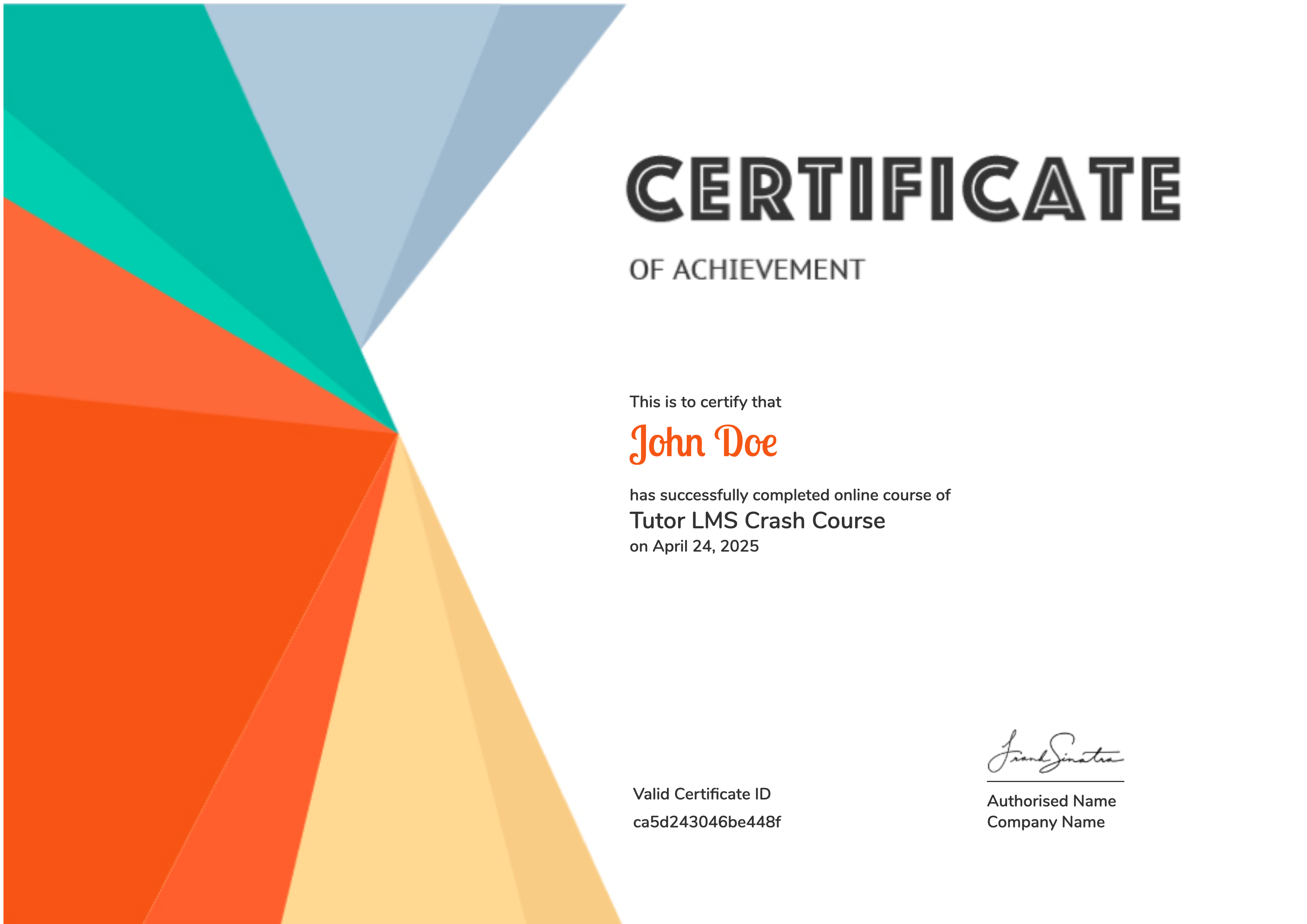
Придобийте сертификат
Добавете този сертификат към автобиографията си, за да демонстрирате уменията си и да увеличите шансовете си да бъдете забелязани.
Рейтинги и отзиви от студенти